March 4, 2024
Cedar, pressure-treated, composite or Trex — how the four common decking materials hold up to Lower Mainland rain, and what each one costs you in upkeep.
Most deck decisions in Vancouver come down to one question: how much maintenance are you willing to do? Our climate is mild but persistently wet, and a deck surface that would last decades in a dry climate can cup, check or grey out here in a handful of winters.
Pressure-treated lumber is the least expensive way to get a solid, code-compliant deck. It handles moisture well structurally, which is why we use it for framing on nearly every project. As a walking surface it needs cleaning and re-staining every couple of years to stay looking sharp, and boards can twist if the deck is left unfinished.
Western red cedar is the classic Lower Mainland choice. It is naturally resistant to rot and insects, it stays cooler underfoot than composite in summer, and the grain suits character homes. Left alone it weathers to a silver-grey; if you want the warm red-brown to stay, plan on a cleaning and a fresh coat of penetrating stain every two to three years.
Composite and capped composite boards — Trex among them — trade a higher up-front price for very little ongoing work. There is no staining, and a wash each spring is usually enough. Modern capped boards resist the fading and staining that gave early composites a bad reputation. The trade-off is that dark colours get hot in direct sun and the boards cannot be sanded back if they get scratched.
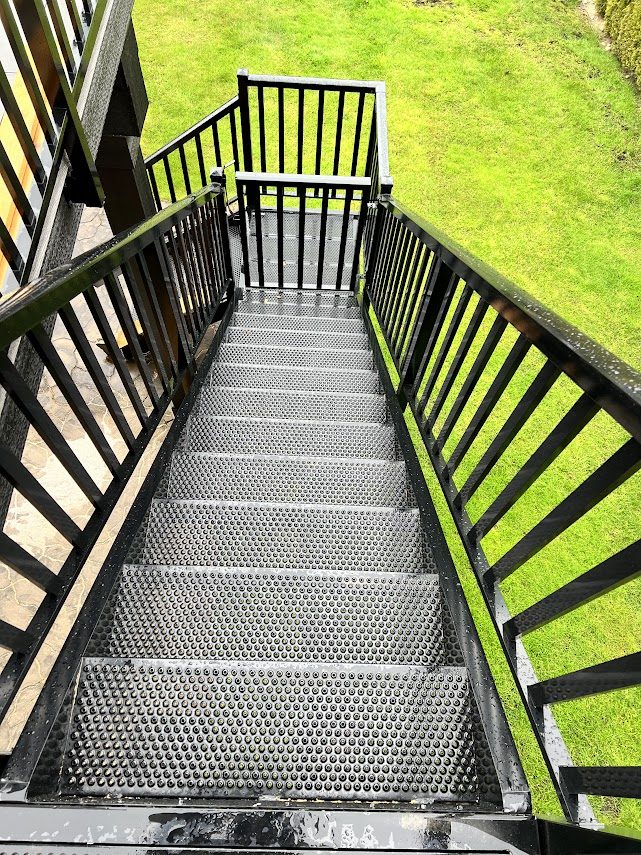
In practice we build a lot of hybrid decks: pressure-treated framing, a composite or cedar surface, and aluminum or glass railings that never need refinishing. That combination keeps the maintenance concentrated on one surface instead of the whole structure.
If you are weighing options for your own yard, tell us the deck size, how much sun it gets and how much upkeep you want to sign up for, and we will put together a free estimate for a couple of material combinations.